The modern healthcare landscape is complex, facing significant challenges ranging from increasing administrative workloads to the constant demand for improved patient outcomes. In response, healthcare providers and organizations are rapidly adopting sophisticated automated software solutions to streamline operations and enhance care delivery. These tools handle essential tasks from electronic health records to revenue cycle management, becoming indispensable for efficiency and accuracy.
Among the specialized firms contributing to this digital evolution is MCSI (Managed Care Systems, Inc.). This firm, which focuses on providing a managed care system and related solutions, operates as a boutique software solutions company. Their expertise is in providing innovative tools that streamline processes, enhance operational efficiency, and improve patient care for healthcare providers and organizations navigating the digital age.
The Imperative for Automation in Healthcare
Healthcare organizations worldwide spend a substantial amount of resources on non-clinical, administrative tasks. The sheer volume of data, coupled with complex regulatory requirements, creates a significant administrative burden that can distract from the core mission: patient care. Automated healthcare software directly addresses this challenge by taking over repetitive, manual, and time-consuming processes.
Automation helps convert disparate data silos into centralized, actionable information. By integrating systems, these solutions provide a unified view of patient records, financial data, and operational metrics. This integration is the foundation for enhancing overall quality of care while simultaneously controlling escalating operational costs.
Core Applications of Automated Solutions
Automated software solutions have permeated nearly every facet of healthcare management, offering specialized tools that cater to specific organizational needs.
1. Revenue Cycle Management (RCM):
One of the most immediate impacts of automation is seen in RCM. Software tools automate claims scrubbing, submission, and tracking. By minimizing human error during data entry and coding, these systems significantly reduce claim denials and accelerate reimbursement cycles, thus improving the financial health of the organization. Furthermore, automated eligibility verification ensures providers are aware of patient coverage before services are rendered.
2. Electronic Health Records (EHR) and Data Management:
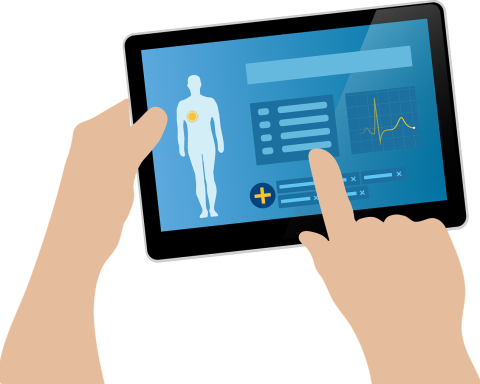
Modern EHR systems are fundamentally automated platforms. They organize vast amounts of patient data—from clinical notes and imaging results to prescriptions—and make them instantly accessible to authorized personnel. Beyond simple record-keeping, sophisticated EHRs include features like clinical decision support, which can flag potential drug interactions or missing screenings, thereby enhancing patient safety and compliance with best practices.
3. Patient Access and Engagement:
Automation is crucial for improving the patient experience from the initial point of contact. This includes self-service portals where patients can schedule appointments, manage their demographics, and access their health information. Automated communication features, such as appointment reminders and follow-up instructions delivered via SMS or email, reduce no-show rates and keep patients actively engaged in their care journey.
Benefits: Efficiency, Outcomes, and Compliance
The adoption of automated healthcare software yields quantifiable benefits across organizational tiers:
Enhanced Operational Efficiency: By automating tasks like data entry, scheduling coordination, and administrative follow-up, staff are freed from mundane duties. This allows skilled personnel to focus on high-value activities, such as complex patient issues or strategic planning. The result is often higher staff satisfaction and improved productivity across the board.
Improved Patient Care: Automation supports clinicians by ensuring they have comprehensive, up-to-date patient information at the point of care. Reduced administrative friction means more time can be dedicated to direct patient interaction. Automated systems also enable faster coordination of care across different specialties and facilities, which is vital for patients with complex or chronic conditions.
Regulatory Compliance and Security: Automated solutions are built to manage the stringent requirements of healthcare regulations, such as HIPAA in the United States. Features like automatic audit trails, robust data encryption, and role-based access control help healthcare organizations maintain compliance and protect sensitive patient information against evolving security threats.
Conclusion
Automated healthcare software solutions are no longer a luxury but a strategic necessity for organizations striving for efficiency, financial stability, and superior patient care. Whether utilizing large enterprise systems or specialized offerings from a managed care system provider like MCSI, the focus remains on leveraging technology to transform administrative complexity into seamless, data-driven workflows. As the healthcare industry continues its digital transformation, embracing automation will be the key differentiator for organizations aiming to thrive in the modern era.