

You are designing a research protocol, and you need monoclonal antibodies for your experiments. The first question that comes up is always the same: what will this actually cost my lab budget?
Some researchers assume monoclonal antibodies are out of reach financially. The reality is more nuanced than that. A single monoclonal antibody treatment can cost anywhere from a thousand dollars to five hundred thousand dollars.
How Research-Grade Antibodies Differ from Therapeutic Ones
The monoclonal antibodies that cost hundreds of thousands of dollars are therapeutic antibodies designed for patient treatment. Those antibodies must meet pharmaceutical manufacturing standards. They undergo extensive clinical trials. They require FDA approval for medical use.
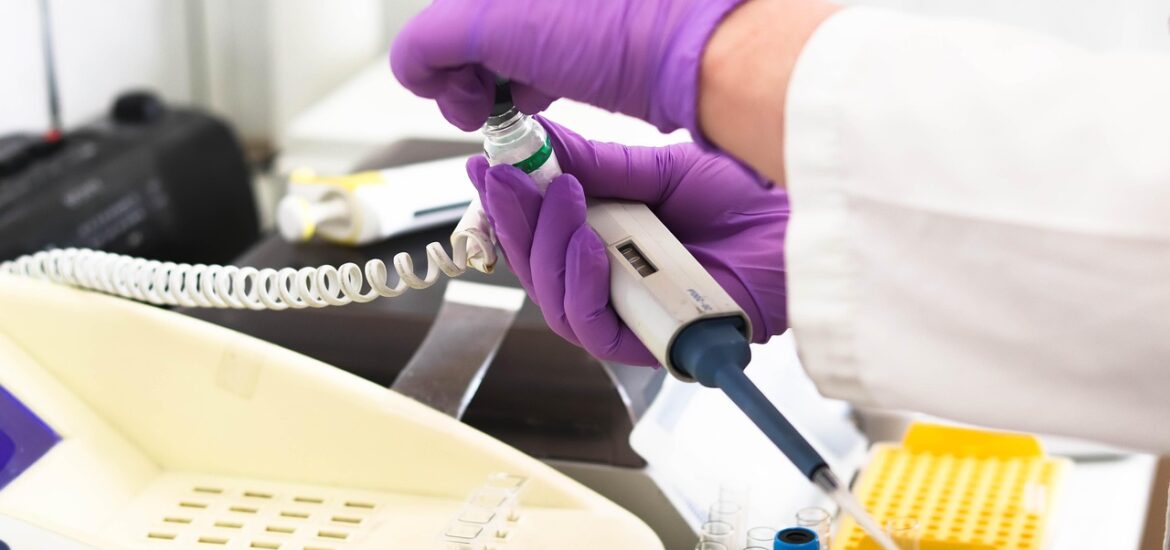
Research-grade monoclonal antibodies serve a different purpose entirely. You use them as tools to detect proteins, isolate cellular components, or characterize biological samples in your laboratory. These antibodies do not require the same regulatory approvals because they are reagents for scientific discovery rather than medicines for human use.
That distinction explains why research antibodies cost thousands rather than tens of thousands. You pay for validated research tools that help you generate data rather than for clinical-grade therapeutics.
The Value You Get for Research Applications
When you purchase monoclonal antibodies, you receive reagents that have been validated across multiple applications. These antibodies work in ELISA, Western blot, immunoprecipitation, flow cytometry, immunohistochemistry, and immunofluorescence. That versatility matters when you run different types of experiments in the same research project.
The validation process ensures you get reproducible results. Every antibody in the catalog has been tested to confirm it recognizes the target antigen specifically. You receive detailed technical data sheets that show you exactly how the antibody performed in validation experiments. That information helps you optimize your own protocols.
Publication-backed antibodies give you confidence that the reagent will work when you need it.
Understanding Your Total Cost Over Time
When you know that high-quality monoclonal antibodies start at two thousand dollars, you can plan your research budget more effectively. You can allocate funds for the antibodies you need without cutting other essential supplies.
Some labs find that investing in a validated antibody saves money in the long run. When an antibody works reliably from the first experiment, you avoid wasting reagents on failed protocols. You avoid wasting time troubleshooting an antibody that does not perform as expected. You avoid having to purchase multiple different antibodies until you find one that works.
The cost of a monoclonal antibody becomes an investment in reliable data rather than an expense that drains your budget.
Finding Reliable Sources and Current Pricing
If you want to know the specific price for a particular monoclonal antibody or if you want to explore different ways to get the treatment you need, you can look at verified sources to buy monoclonal antibodies online.
Reliable suppliers maintain transparent pricing, ensure product quality through proper validation, and provide consistent availability for research needs. In many projects, antibodies are used selectively for specific validation experiments, making quality and reliability especially important.
Working with dependable suppliers can help ensure an adequate antibody supply whenever needed. For long-term projects requiring significant quantities of a specific antibody, advance planning and timely purchasing can help avoid shortages during critical stages of experimentation. Such consistency contributes to generating reliable and reproducible experimental data.