Addiction treatment has evolved significantly over the past decade, shifting from a one-size-fits-all model to a more personalized and holistic approach. As substance use disorders continue to affect individuals and families across the United States, the importance of purpose-driven recovery environments has become increasingly clear. Centers that focus not only on detoxification and clinical therapy but also on long-term emotional and psychological healing are helping reshape recovery outcomes.

Understanding Purpose-Centered Rehabilitation
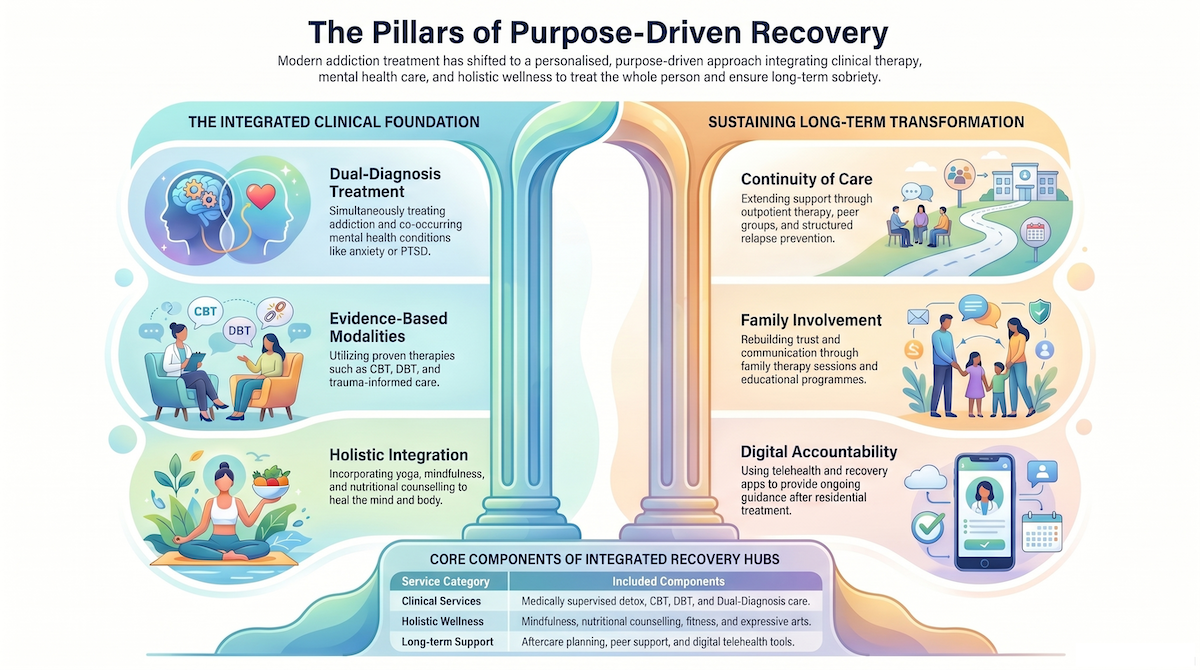
One such approach gaining attention is purpose-centered rehabilitation. This model emphasizes helping individuals rediscover meaning in their lives while addressing the underlying causes of addiction. Rather than focusing solely on symptom management, purpose-driven recovery integrates mental health care, behavioral therapy, and life skills development. The goal is to empower individuals to rebuild their lives with clarity and resilience.
Comprehensive Treatment Options in Phoenix
In cities like Phoenix, Arizona, the demand for comprehensive addiction treatment services has grown steadily. With its diverse population and expanding healthcare infrastructure, Phoenix has become a hub for innovative rehabilitation programs. Facilities such as Purpose Healing in Phoenix are part of this broader movement toward integrated care. These programs typically combine medically supervised detox, inpatient and outpatient services, and therapeutic modalities such as cognitive behavioral therapy (CBT), dialectical behavior therapy (DBT), and trauma-informed care.
Addressing Co-Occurring Mental Health Disorders
A key factor in successful recovery is addressing co-occurring mental health conditions. Many individuals struggling with substance use disorders also experience anxiety, depression, PTSD, or other psychiatric challenges. Without treating these underlying issues, relapse becomes more likely. Modern rehabilitation centers increasingly adopt dual-diagnosis treatment frameworks, ensuring that both addiction and mental health disorders are treated simultaneously.
The Importance of Continuity of Care
Another critical component of effective rehab programs is continuity of care. Recovery does not end after detox or a 30-day inpatient stay. Long-term support, including outpatient therapy, peer support groups, and relapse prevention planning, plays a vital role in sustaining sobriety. This is where structured aftercare programs and community integration become essential. Patients are encouraged to develop routines, build healthy relationships, and engage in meaningful activities that reinforce their recovery journey.
Healing Environments and Programs in Scottsdale
Scottsdale, another prominent city in Arizona, has also emerged as a center for high-quality addiction treatment services. Programs such as Purpose Healing in Scottsdale often emphasize a balance between clinical excellence and a supportive, healing environment. Scottsdale’s serene surroundings and focus on wellness make it an ideal location for individuals seeking a calm and structured setting for recovery.
Integrating Holistic Therapies in Recovery
In addition to traditional therapies, many modern rehab centers incorporate holistic practices into their treatment plans. These may include mindfulness meditation, yoga, nutritional counseling, fitness programs, and art or music therapy. Such approaches help individuals reconnect with their bodies and minds, reduce stress, and develop healthier coping mechanisms. Holistic care recognizes that recovery is not just physical but also emotional and spiritual.
The Role of Family in the Recovery Process
Family involvement is another cornerstone of effective rehabilitation. Addiction often impacts not only the individual but also their loved ones. Family therapy sessions, educational programs, and support groups help rebuild trust and improve communication. By involving families in the recovery process, treatment centers create a stronger support system for sustained healing.
Technology and Modern Recovery Support
Technology is also playing an increasingly important role in addiction treatment. Telehealth services, mobile recovery apps, and virtual counseling sessions have made it easier for individuals to access support, especially after completing residential programs. These tools provide ongoing guidance and accountability, helping individuals stay connected to their recovery goals.
A Pathway to Lasting Recovery
Ultimately, the success of any rehabilitation program depends on its ability to treat the whole person. Purpose-driven healing centers stand out by focusing on long-term transformation rather than short-term fixes. They encourage individuals to explore their values, set meaningful goals, and build a life that supports sustained sobriety.
As awareness around addiction and mental health continues to grow, so does the need for compassionate, evidence-based treatment options. Cities like Phoenix and Scottsdale are at the forefront of this shift, offering programs that blend clinical expertise with a deeper understanding of human purpose and resilience. For individuals seeking recovery, these environments provide not just treatment, but a pathway to lasting change.